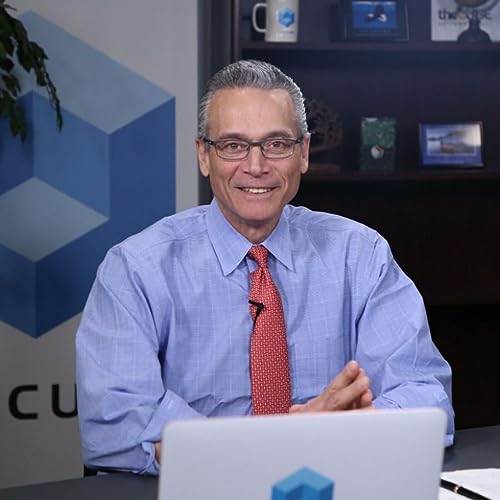
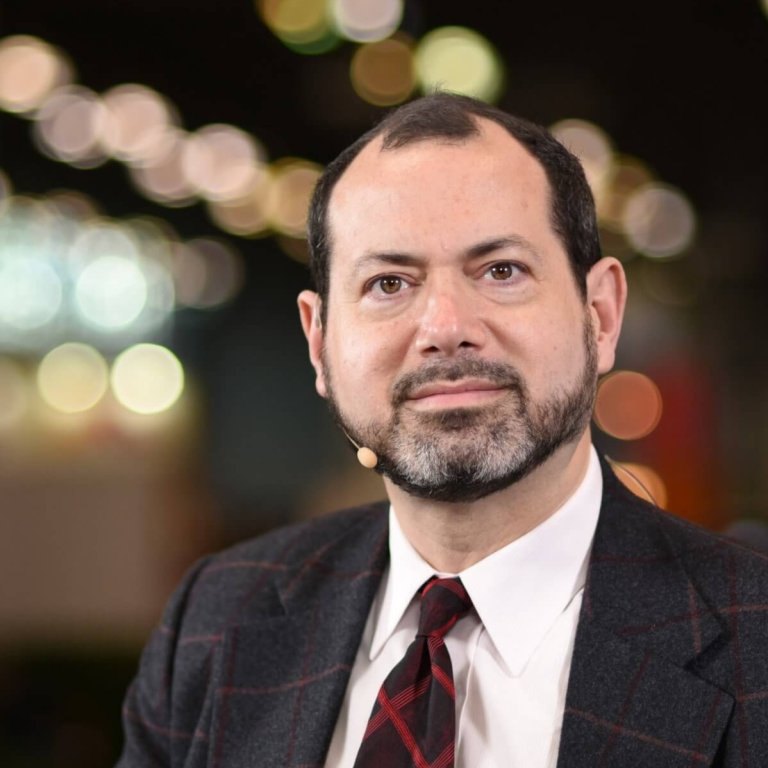
Tom Peck is moving his organization from a break/fix mentality to a more proactive, anticipatory and automated function within Levi Strauss. This week at SAP’s Sapphire event, Peck sat down at The Cube with Silicon Angle’s John Furrier and me. Here’s a replay of the live TV stream Silicon Angle broadcast over the Web:
Watch live video from The Cube LIVE from SAPphire on Justin.tv
We asked Peck what has changed in IT and he cited three major factors:
- The IT simplification mandate
- The redeployment of resources to the ‘front end’ of the business
- Changing the mindset from break/fix to proactive services
The simplification mandate is being driven by a number of factors…the consumerization of IT, line of business pressure and technology progression. His organization is pushing for a new spend mix with more investment in growing the business. To pay for that, Levi Strauss wants to simplify the backend infrastructure and shift investment to more revenue-generating activities. This new mindset is underscored by Peck’s following statement:
I’m not interested in buying technology…I want to buy solutions that solve business problems.
If you speak with CIO’s you’ve heard this refrain a lot. What it means to Peck’s organization from an infrastructure standpoint is simplification through integration and industry ecosystem partnerships. Peck’s philosophy is he can get more leverage through an ecosystem approach than he can by trying to be the internal system integrator. But he expects his vendors to provide that integration earlier in the process so his organization can focus on innovation within the Levi Strauss business.
Fundamental to this integration is VMware. Frankly, from my perspective it is the single most important enabler. Peck had an interesting take on virtualization and in my opinion his posture is more aggressive than other CIO’s. Specifically, Peck is virtualizing his core ERP system and that’s leading edge. Most CIO’s we’ve talked to about this are going very slowly and waiting. At scale, private cloud is more cost effective (read the fine print) than public cloud but CIO’s are very cautious about virtualizing legacy systems. Peck has a somewhat different philosophy. He told us he’s taking calculated risks that will advance his team’s vision and bring competitive advantage to Levi’s, particularly as they become a more global organization. Here’s what Peck told us about virtualization:
Until you can virtualize your core ERP system, everything else is secondary.
While Peck said his organization has done well virtualizing test and dev, in his mind that is just the beginning. We talked at length about the organizational dynamics of virtualizing core apps (i.e. the “NFW Factor” from application heads) and how Peck manages risks. He gave us a 4.5 point plan on his approach:
- Leverage the ecosystem
- Get process right
- Take a phased approach
- Evolve function over time
And 4.5 is you need the complete buy-in from the application vendor, in this case SAP. The SAP VCE coalition endorsement is key in my mind. I’ve written a number of times that the road to virtualizing legacy apps goes through Oracle. However as Silicon Angle’s John Furrier points out, SAP’s acqusition of Sybase is an attempt by SAP to control its own destiny. Endorsing and joining a coalition-led approach is an imperative for SAP which needs to simplify its complex and cumbersome architecture while preserving the rich business value it has provided to clients over the years.
The moves on the chess board continue and one of my takeaways from Sapphire is that the industry is aligning in two distinct camps: 1) vertical stacks and 2) virtual stacks. Historically the latter has provided more growth and the former better margin for all but a few players. This time feels different to me because the coalition partners are all major players. EMC, VMware, Cisco, Intel, Sybase and now even Google (with VMware).
The question remains the pace of customer adoption for virtualizing legacy apps. Will firms like Levi Strauss start to come out of the woodworks or will industry adoption of core apps virtualization continue to move slowly? One barometer I’m watching is EMC’s own internal adoption for virtualizing mission critical apps– which CEO Joe Tucci has said will occur inside of 2-3 years, completely. That’s an aggressive goal but as they say – “go big or go home.”
Enterprise IT has suddenly become a very interesting place.


Pingback: Customer “next practices” and Proof Points at VMworld « Wikibon Blog